October 21, 2026
Printer cartridges are essential for producing documents, photographs, and other printed materials in homes and workplaces. However, once these supplies are empty, they often become part of the growing amount of electronic and plastic waste generated worldwide. Recycling used printing supplies offers an opportunity to reduce environmental impact while supporting more responsible consumption habits.
Whether managing a home printer or overseeing equipment across a busy office, understanding proper ink and toner cartridge disposal can make sustainability more accessible. Recycling programs, manufacturer initiatives, and responsible purchasing decisions help extend the useful life of materials and reduce unnecessary waste.
By recognizing the environmental benefits of cartridge recycling and exploring available programs, individuals and organizations can incorporate greener practices into their everyday printing activities.
Understanding the Environmental Impact of Printer Cartridges
Printer cartridges contain various materials, including plastics, metals, and components that require resources and energy to manufacture. When discarded improperly, these materials may end up in landfills rather than being recovered for future use. Their complex construction also makes responsible disposal particularly important.
The scale of cartridge consumption highlights the significance of recycling initiatives. According to Evolve Recycling, more than 300 million inkjet cartridges and 70 million laser cartridges are sold annually in the United States. This substantial volume demonstrates how widespread printing supplies remain despite the increasing use of digital communication.
An improperly discarded ink and toner cartridge represents a missed opportunity to recover valuable materials. Some cartridge components can be reused or processed into materials suitable for manufacturing other products, depending on their condition and the capabilities of the recycling facility.
Reducing cartridge waste also supports broader conservation efforts. When materials are successfully recovered and reused, manufacturers may reduce their dependence on newly extracted resources. Although recycling requires energy and transportation, well-managed recovery programs can contribute to more sustainable material management.
Exploring the Benefits of Cartridge Recycling Programs
Cartridge recycling programs provide designated collection channels for used printing supplies. Many manufacturers, retailers, and specialized recycling organizations offer services intended to keep eligible cartridges out of general household and commercial waste streams.
These programs may accept specific brands, cartridge types, or quantities. Some focus on collecting cartridges for material recovery, while others evaluate whether particular components can be refurbished or reused. Understanding these distinctions helps consumers select appropriate recycling options.
For businesses, participating in a recognized recycling program can support organizational sustainability goals. Offices frequently replace printing supplies as part of regular operations, making cartridge collection a practical component of workplace waste management.
Recycling an ink and toner cartridge through an established program can also encourage greater awareness of responsible equipment ownership. Employees and household members may become more conscious of how everyday purchasing and disposal decisions influence the environment.
Beyond environmental considerations, some recycling programs offer incentives or convenient collection services. Availability varies by provider, so participants benefit from reviewing eligibility requirements and accepted materials before relying on a particular service.
Identifying Convenient Recycling Options for Homes
Households often accumulate empty printer cartridges without having a clear disposal plan. Since home printing needs vary, cartridges may be replaced infrequently, making it easy to overlook recycling opportunities.
Fortunately, several established collection options may be available. Office supply retailers sometimes provide cartridge recycling services, while printer manufacturers may operate mail-back programs for eligible products. Certain community recycling initiatives also accept printing supplies through specialized collection arrangements.
A manufacturer-supported program can be especially useful when managing a specific ink and toner cartridge brand. These initiatives frequently provide information about accepted products, packaging requirements, and collection availability.
However, standard curbside recycling programs do not necessarily accept printer cartridges. Their mixed materials and possible residual ink or toner can require specialized processing. Checking local waste management guidance helps prevent contamination of ordinary recycling streams.
Households can also consider environmental responsibility when purchasing replacement supplies. Selecting products with established recycling options, evaluating printing needs, and avoiding unnecessary purchases all contribute to more thoughtful resource consumption.
Establishing Sustainable Cartridge Management in Workplaces
Businesses often use more printing supplies than individual households, making cartridge management an important operational consideration. Offices, schools, healthcare facilities, and other organizations may generate recurring cartridge waste throughout the year.
A structured recycling policy can help organizations manage these materials consistently. Rather than treating empty cartridges as ordinary trash, workplaces can designate appropriate collection arrangements and coordinate with qualified recycling providers.
Organizations that regularly replace each ink and toner cartridge can benefit from working with suppliers that offer return or collection services. Such arrangements may simplify waste management while supporting existing purchasing and equipment maintenance processes.
Employee awareness also contributes to successful recycling programs. When staff members understand which materials are accepted and why responsible disposal matters, participation becomes more consistent across departments.
Workplace sustainability initiatives may also include monitoring printing demand, reviewing supply consumption, and evaluating equipment efficiency. These complementary practices can reduce unnecessary printing while ensuring essential documents remain accessible.
For larger organizations, maintaining records of collected materials may support internal sustainability reporting. Accurate documentation can provide useful insight into waste reduction efforts without overstating the environmental benefits of recycling.
Recognizing the Importance of Cartridge Reuse and Remanufacturing
Recycling is not the only approach to reducing printer supply waste. Cartridge reuse and remanufacturing can also support resource conservation when products are suitable for these processes.
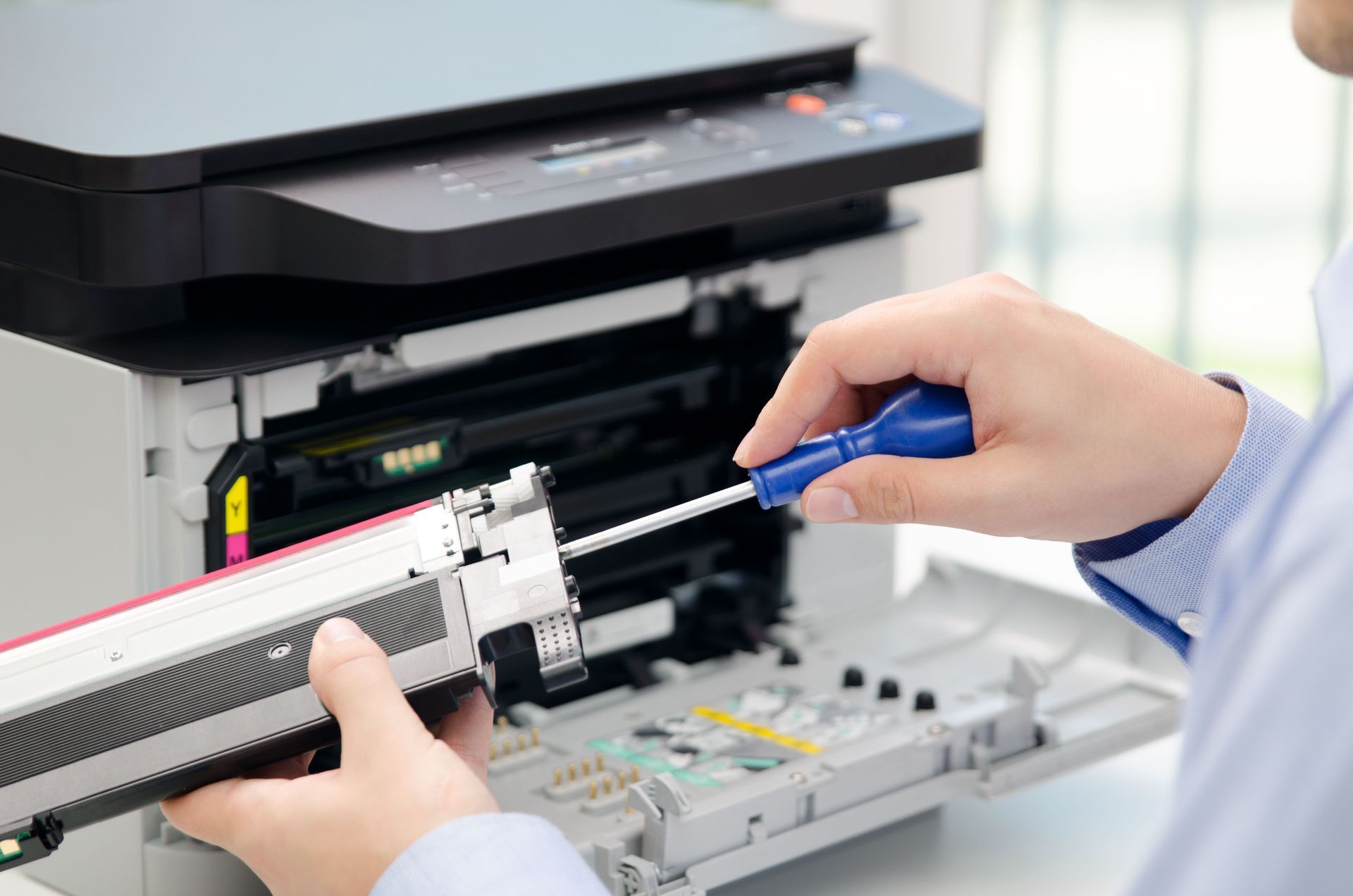
Remanufacturing generally involves professionally inspecting, cleaning, repairing, and refilling previously used cartridges. Qualified providers may replace worn components and perform quality checks before making products available for another service cycle.
A reusable ink and toner cartridge may help preserve existing materials and reduce demand for entirely new components. However, not every cartridge is suitable for remanufacturing, particularly when damage or design limitations prevent reliable operation.
Product compatibility and print quality remain important considerations. Businesses that depend on consistent printing performance should evaluate the reliability of replacement supplies and follow applicable equipment recommendations.
The distinction between recycling and remanufacturing is also significant. Recycling generally recovers materials for subsequent processing, whereas remanufacturing aims to restore a product for continued use. Both approaches can contribute to circular resource management when supported by appropriate quality controls.
Improving Printing Habits to Reduce Unnecessary Waste
Responsible cartridge disposal works best alongside broader efforts to minimize avoidable printing. Reducing unnecessary print jobs can help conserve paper, energy, and consumable supplies.
Digital document sharing, electronic signatures, and online recordkeeping offer alternatives for materials that do not require physical copies. These practices can reduce printing demand while improving accessibility and collaboration.
When printing remains necessary, suitable printer settings and efficient document layouts may help limit resource consumption. Equipment selection also matters, since printing technologies differ in their operating costs, supply requirements, and maintenance needs.
Extending the useful service life of each ink and toner cartridge can contribute to waste reduction, provided printing performance remains acceptable. Reliable equipment maintenance and appropriate supply management may also help prevent premature replacement.
Organizations should consider their actual printing requirements rather than assuming that every available efficiency feature provides equivalent benefits. A balanced approach prioritizes document quality, operational reliability, and responsible resource use.
Ultimately, sustainability involves more than recycling empty supplies. It also requires thoughtful decisions about purchasing, equipment usage, maintenance, and waste management.
Supporting Long-Term Sustainability Through Responsible Recycling
Cartridge recycling provides households and businesses with a practical opportunity to reduce waste and support material recovery. Manufacturer programs, retailer collection services, and qualified recycling providers can help direct used printing supplies toward more appropriate processing channels.
Although individual recycling decisions may seem small, consistent participation can contribute to broader environmental goals. Choosing responsible disposal options, considering reusable products, and reducing unnecessary printing all support more sustainable resource management.
The environmental impact of an ink and toner cartridge depends partly on how it is manufactured, used, and handled at the end of its service life. Recognizing these connections encourages more informed decisions throughout the printing process.
At Laser Printer Technologies, we understand the importance of balancing dependable printing performance with responsible equipment and supply management. Our team can help you explore practical printing solutions that align with your operational needs. Contact us to discuss your printing requirements and learn how we can support more efficient, environmentally conscious printing practices.